Learning how to fix a squeaky garage door is one of the most useful and satisfying maintenance skills a homeowner can pick up, since most squeaks come down to friction that a little lubrication and tightening can solve in under an hour. That familiar screech or squeal is usually your door telling you that its rollers, hinges, or springs need attention, and catching it early keeps a minor annoyance from turning into a worn-out part. This guide walks through eight quick and simple solutions to silence your door, along with the one safety rule you should never break.
- The common causes: You will learn what actually makes a garage door squeak so you can target the fix.
- The 8 solutions: You will get simple, in-order steps to quiet your door quickly.
- The safety rule: You will know which parts to lubricate and which to never touch.
Why Your Garage Door Squeaks

A squeaky garage door is almost always the result of friction between metal parts that have gone dry, loose, or worn. Understanding the usual culprits helps you fix the noise at its source rather than just masking it.
The Most Common Causes of Squeaking
The most common causes of a squeaky garage door are a lack of lubrication, loose hardware, and worn rollers or bearings that create metal-on-metal friction. Dry hinge pivots, dry roller bearings, and dry springs all squeal as they move, and this is by far the leading reason doors get noisy. Vibration from daily use gradually loosens nuts, bolts, and brackets, which lets parts rattle and rub, while old rollers stop rolling smoothly and begin to scrape. Temperature swings, humidity, and rust can all increase friction as well, especially in an unheated garage.
- Lack of lubrication: Dry hinges, rollers, and springs are the top cause of squeaks.
- Loose hardware: Daily vibration loosens bolts and brackets, causing rattles.
- Worn rollers: Old or damaged rollers scrape instead of rolling smoothly.
Identifying the Source of the Noise
Pinpointing where the squeak comes from before you start makes the fix faster and more effective. Run the door through one full cycle and listen carefully, since a high-pitched squeal usually points to dry rollers or hinges, while a metallic screech often means a roller is rubbing on the track. Grinding suggests worn roller bearings, and a loud bang or pop is a warning sign of a serious hardware or spring problem that calls for a professional. Marking the noisy spots with a piece of tape as you go helps you focus your lubrication and tightening exactly where it is needed.
- Listen for the tone: Squeals mean dry parts; screeches mean rubbing; grinding means wear.
- Watch for danger signs: A bang or pop signals a spring or hardware issue for a pro.
- Mark the spots: Tape the noisy areas so you know where to focus.
8 Quick Solutions To Fix a Squeaky Garage Door
Most squeaks can be silenced with basic tools and a can of the right lubricant in less than an hour. Work through these eight solutions in order, and stop if you find any damage that points to a bigger problem.
1. Get the Right Garage Door Lubricant
Choosing the correct lubricant is the foundation of every squeak fix, because the wrong product can attract dirt and make the noise worse. Use a silicone-based spray or white lithium grease made specifically for garage doors, such as a dedicated garage door lubricant, rather than a general-purpose penetrating oil. In fact, according to Bob Vila, standard WD-40 is a solvent rather than a lubricant and can actually dry out components and wash away protective grease, so a garage-door-safe product like a white lithium grease is the better choice. Having the right lubricant on hand before you start ensures your fix lasts months rather than days.
- Silicone or lithium: Use a garage-door-specific silicone spray or white lithium grease.
- Avoid plain oil: General penetrating oils attract dirt and wear off fast.
- Buy purpose-made: Dedicated garage door lubricants are easy to find and last longer.
2. Clean the Tracks First
Cleaning the tracks before lubricating anything removes the dirt and debris that make rollers bind and squeak. Wipe both vertical and horizontal tracks with a clean rag or a brush to clear away dust, grime, cobwebs, and old hardened grease that can clog the roller path. It is important not to lubricate the inside of the tracks themselves, since a slick track attracts more dirt and can actually cause the rollers to slip. A clean, dry track is all your rollers need to travel quietly and smoothly.
- Wipe both tracks: Clear dust, grime, and old grease from vertical and horizontal tracks.
- Do not lubricate tracks: Slick tracks attract dirt and cause rollers to slip.
- Clear debris: Remove anything blocking the roller path.
3. Tighten All the Hardware
Tightening loose hardware is a five-minute fix that can eliminate rattling and vibration squeaks instantly. Using a socket wrench, snug up the bolts and screws on the hinges, roller brackets, and track supports, taking care not to overtighten and strip them. Only tighten the bolts on the door panel hinges and hardware, and never touch anything connected to the springs or cables. Also check the opener’s ceiling mounts and motor brackets, since loose mounting hardware there can cause rattling that sounds like it is coming from the door.
- Snug the bolts: Tighten hinge, bracket, and track-support hardware with a socket wrench.
- Do not overtighten: Excess force strips bolts, so stop at snug.
- Check opener mounts: Loose ceiling and motor brackets also cause rattles.
4. Lubricate the Hinges
Lubricating the hinges silences the dry pivot points where the door sections bend during travel. Aim the spray nozzle at each hinge knuckle where the metal pivots, give a short burst, and move to the next one until all hinges are done. After spraying, run the door up and down once to work the lubricant into the joints, then wipe away any drips with a rag. This simple step addresses one of the two most common sources of squeaking on any sectional door.
- Target the knuckle: Spray each hinge pivot point where the metal moves.
- Work it in: Cycle the door once to distribute the lubricant.
- Wipe drips: Clean up excess to keep things tidy.
5. Lubricate the Rollers
Lubricating the rollers tackles the single most common fix for a squeaky door, since dry roller bearings are the top cause of the noise. For steel rollers, spray lubricant directly into the small bearing hole in the center of each roller, then spin the roller by hand to distribute it through the bearing. Nylon rollers do not need lubrication on the wheel itself, though the bearing may, so avoid coating the nylon surface. You may need to run the door several times for the lubricant to fully penetrate and for the squeak to disappear.
- Spray the bearing: Apply lubricant into the center bearing hole of steel rollers.
- Spin to distribute: Rotate each roller by hand to work it in.
- Skip nylon wheels: Do not coat the nylon surface, only the bearing if needed.
6. Coat the Springs Lightly
Lightly coating the springs reduces the coil-on-coil friction that produces a twanging squeak as the door operates. Spray a light layer of garage door lubricant along the full length of the torsion or extension springs so the coils glide instead of grinding against each other. This also helps prevent rust and can extend the life of the springs. Apply the lubricant to the outside of the springs only, and never attempt to adjust, loosen, or remove them, as they are under extreme tension.
- Light full-length coat: Spray along the springs so the coils move freely.
- Prevents rust: Lubrication protects the springs and extends their life.
- Surface only: Never adjust or loosen springs, which are under high tension.
7. Replace Worn Rollers
Replacing worn rollers is the fix when lubrication alone will not stop the grinding or scraping. Old steel rollers wear out and even nylon rollers typically last only five to seven years before their edges create friction against the tracks. Upgrading to quality nylon rollers with sealed bearings makes a dramatic difference, running far quieter than worn steel. When replacing a roller, note the number stamped on the attached hinge so you get an exact match, and remember that rollers on the bottom bracket are under cable tension and should be left to a professional.
- Know when to replace: Grinding that lubrication does not fix means worn rollers.
- Upgrade to nylon: Sealed-bearing nylon rollers are much quieter than steel.
- Leave the bottom bracket: Bottom-bracket rollers are under tension, so call a pro.
8. Add Anti-Vibration Pads and Check the Chain
Adding anti-vibration pads and checking the opener chain addresses noise that comes from the opener rather than the door itself. Rubber anti-vibration pads or isolators placed between the opener mount and the ceiling can dampen the vibration that transmits through the structure as noise. A loose opener chain makes loud slapping sounds and jerky movement, so check your owner’s manual for the procedure to tighten it to the correct tension. For a chain-drive opener, a light coat of grease on the chain or rail also helps keep operation smooth and quiet.
- Dampen vibration: Anti-vibration pads reduce noise transmitted through the ceiling.
- Tighten the chain: A loose chain slaps and jerks, so adjust it per the manual.
- Grease the rail: A light coat on a chain drive keeps operation quiet.
Safety and When To Call a Professional
Fixing a squeak is a safe do-it-yourself task as long as you respect the one part of the door that is genuinely dangerous. Knowing the limits protects you and tells you when the noise means something more serious.
The One Rule You Should Never Break
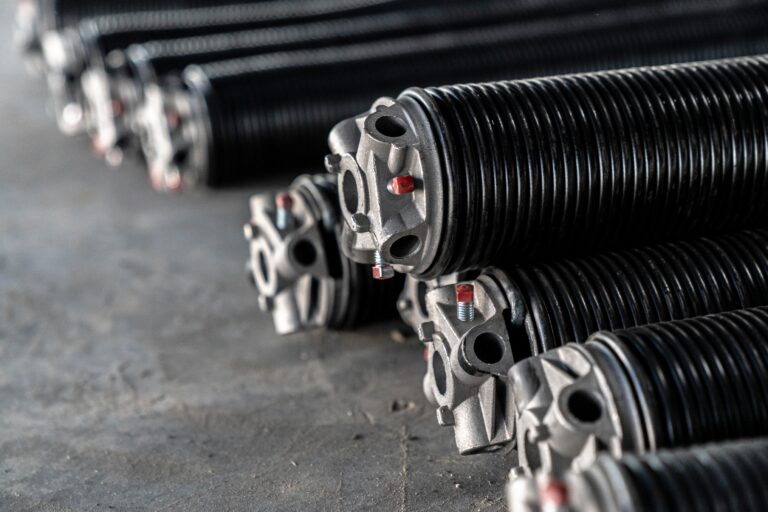
The single most important safety rule is to never touch, adjust, or attempt to lubricate by loosening the springs, cables, or the red hardware that holds them, because these components are under enormous tension. Manufacturers deliberately mark this spring and cable hardware with red fasteners and warning labels precisely because it stores enough energy to cause serious injury. You can safely spray the outside of a spring with lubricant, but anything involving adjusting or disassembling spring and cable hardware should be left to a trained technician. Respecting those red parts is what keeps a simple maintenance task from becoming a serious injury.
- Never touch red parts: Red fasteners mark components under dangerous tension.
- Surface lubrication only: Spraying a spring is fine; adjusting or loosening it is not.
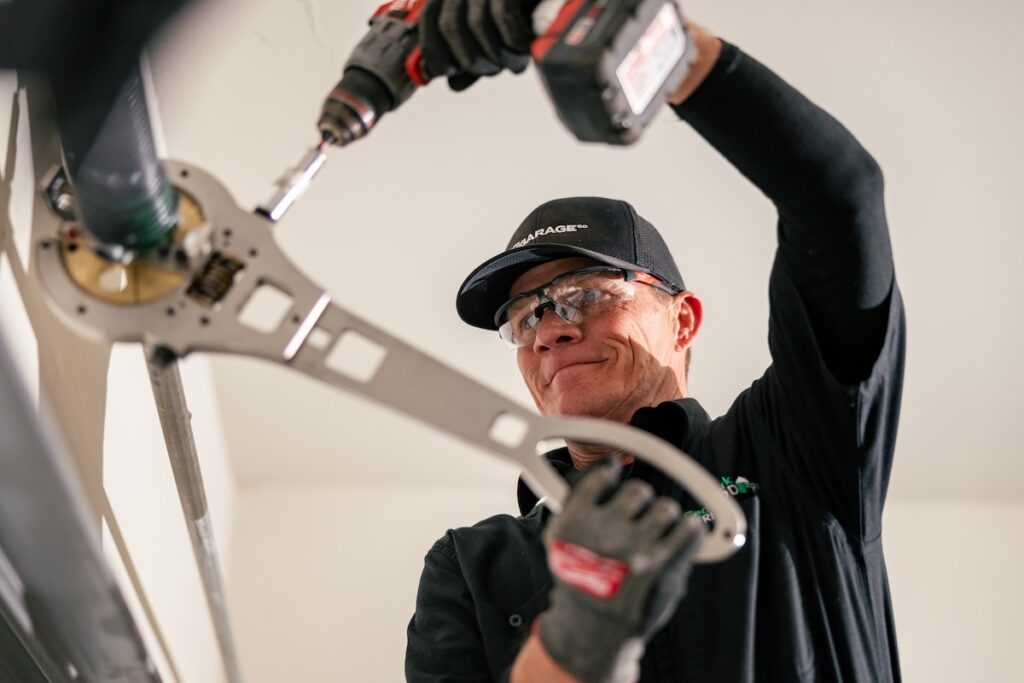
- Call a pro for tension work: Spring and cable service requires professional tools.
When a Squeak Signals a Bigger Problem
Sometimes a noise is more than a dry hinge, and knowing the warning signs tells you when to stop and call for service. A loud bang or pop, a door that has become heavy or crooked, a grinding that persists after lubrication, or a visible gap in a spring coil all point to problems beyond routine maintenance. Continuing to operate a door with these symptoms can worsen the damage or create a safety hazard. When the simple fixes above do not quiet the door, a professional inspection will identify the worn or failing part before it fails completely.
- Watch for danger signs: Bangs, heaviness, or a crooked door mean stop and call a pro.
- Persistent grinding: Noise that survives lubrication signals a worn part.
- Do not force it: Operating a damaged door makes the problem worse.
Frequently Asked Questions
What Is the Best Lubricant for a Squeaky Garage Door?
The best lubricant is a silicone-based spray or white lithium grease made specifically for garage doors. Avoid general-purpose penetrating oils, which attract dirt and wear off quickly. Popular options include dedicated garage door lubricants found at any hardware store.
How Often Should I Lubricate My Garage Door?
You should lubricate your garage door’s moving parts about every six months, or quarterly if the door gets heavy daily use. Regular lubrication of the hinges, rollers, and springs prevents most squeaks and extends the life of the door. Add it to your seasonal home maintenance routine.
Why Does My Garage Door Squeak So Loudly?
A garage door squeaks loudly because of friction from dry hinges, rollers, or springs, or from loose hardware that lets parts rub together. Worn rollers and bearings are another frequent cause. Lubricating the moving metal parts and tightening the hardware resolves most loud squeaks.
Can I Fix a Squeaky Garage Door Myself?
Yes, most squeaks are a simple do-it-yourself fix involving cleaning the tracks, lubricating the hinges and rollers, and tightening the hardware. The one exception is anything involving the springs or cables, which are under high tension and should be left to a professional. If lubrication does not help, a worn part may need replacing.
Should I Lubricate the Garage Door Tracks?
No, you should not lubricate the inside of the tracks. A slick track attracts dirt and can cause the rollers to slip rather than roll. Keep the tracks clean and dry, and lubricate the rollers, hinges, and springs instead.
Why Is My Garage Door Still Squeaking After Lubrication?
If your door still squeaks after lubrication, the likely cause is a worn roller, a worn bearing, or a hardware or track problem that lubrication cannot fix. Worn steel rollers often need replacing with quieter nylon ones. If the noise persists or you hear grinding or banging, have a professional inspect the door.
Trust Cedar Park Overhead Doors When the Squeak Won’t Quit
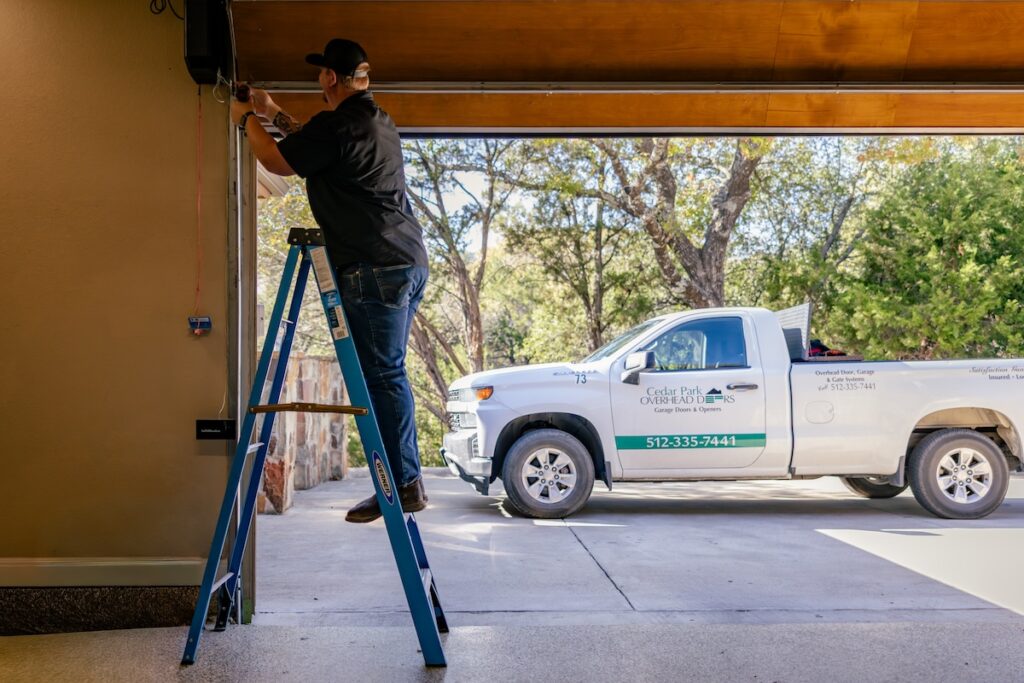
When you have cleaned, lubricated, and tightened everything and your garage door still squeaks, grinds, or bangs, Cedar Park Overhead Doors is the local team homeowners trust to track down the real cause. Our trained technicians safely handle the worn rollers, bearings, and high-tension spring and cable work that a squeak can point to, restoring quiet, smooth operation without the risk of a do-it-yourself mistake. As a Clopay Master Authorized Dealer, we service doors and openers from Raynor, Martin, Haas, Amarr, and Wayne Dalton across belt drive, chain drive, jack-shaft, and MyQ smart configurations, all backed by solid warranties and flexible financing. Because a noisy door often warns of a part about to fail, we also offer 24/7 emergency garage door repair. If your garage door is still making noise after the simple fixes, reach out to Cedar Park Overhead Doors today for a free, no-obligation quote.