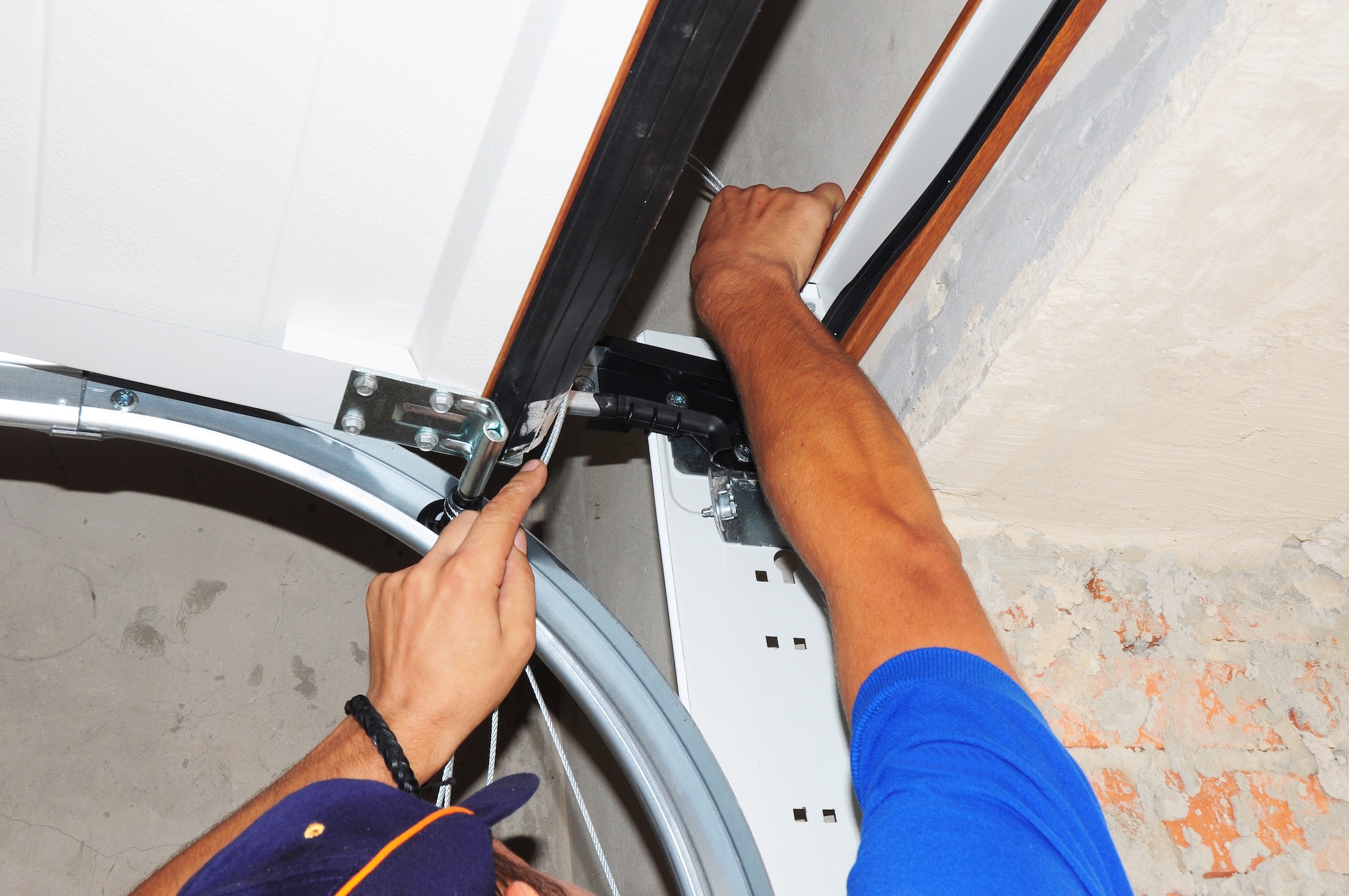
A garage door bottom seal is the flexible rubber or vinyl strip along the bottom edge of your door that creates a barrier between the door and the concrete floor, keeping out drafts, water, dust, and pests. Because it compresses and flexes every time the door closes, the bottom seal wears out faster than almost any other part of your door, and a failing one quietly drives up energy bills and lets the elements in. This guide covers the five clear signs your seal is worn, what a replacement costs, and how to choose the right seal for your home.
- The warning signs: You will learn the five signals that tell you your bottom seal has failed and needs replacing.
- Cost and value: You will see real price ranges and how a new seal pays for itself in energy savings.
- Choosing a seal: You will understand the common seal types and how to pick the right one for your door.
What a Garage Door Bottom Seal Does
The bottom seal is your garage door’s first line of defense against the outdoor elements. Understanding its job makes it easy to see why a worn one causes so many problems.
The Role of the Bottom Seal
A garage door bottom seal, also called a bottom weatherstrip or astragal, forms a tight barrier between the door and the floor to block drafts, rain, snow, dust, leaves, and pests. Every time the door closes, the seal compresses to fill the uneven gap between the door and the concrete, then springs back when the door opens. This constant flexing and friction is why the bottom seal endures more wear than the side and top seals. When it works, it keeps your garage cleaner, drier, quieter, and more energy efficient, especially on an attached garage that shares walls with your living space.
- Blocks the elements: Keeps rain, snow, dust, and debris from entering under the door.
- Stops pests: Prevents insects and rodents from slipping through the gap.
- Improves efficiency: Reduces drafts that make an attached garage harder to heat and cool.
Why Bottom Seals Wear Out Faster Than Other Seals
Bottom seals wear out faster than side and top seals because they take the most physical abuse of any weatherstrip on the door. They are compressed against the floor with every closing, dragged across grit and moisture, and exposed to standing water, ice, and direct sun depending on the season. Most bottom seals last only about 3 to 8 years, while undamaged side and top seals can last 10 years or more. Because the bottom seal degrades first and matters most for keeping water and pests out, it is the smart place to focus your inspection and replacement effort.
- Constant compression: Every closing flattens the seal against the floor, accelerating wear.
- Ground exposure: Grit, water, and ice at floor level break down the material faster.
- Shorter lifespan: Bottom seals typically last 3 to 8 years versus 10 or more for others.
5 Signs Your Garage Door Bottom Seal Is Worn and Failing
Catching a failing bottom seal early prevents water damage, pest problems, and wasted energy. Watch for these five signs, and if you notice any of them, it is time to replace the seal.
1. Daylight Showing Under the Closed Door
Visible daylight under a closed garage door is the clearest sign that your bottom seal has failed to bridge the gap. The easiest way to check is the nighttime test: with the garage light on and the door closed, step outside and look for light escaping under the door, or do the reverse during the day. Any gaps where light passes through are also gaps where air, water, and pests get in. A healthy seal should make full, even contact with the floor across the entire width of the door.
- Nighttime test: Turn on the garage light and look for escaping light under the closed door.
- Even contact: A good seal touches the floor across the full width with no gaps.
- Light means gaps: Anywhere light passes, air, water, and pests can enter too.
2. Water or Debris Getting Inside After Rain or Wind
Puddles, wet spots, or blown-in debris inside the garage after a storm are strong indicators of a compromised bottom seal. When the seal can no longer conform to the floor, rainwater seeps underneath and pools just inside the door, while wind pushes leaves, dust, and dirt through the same gaps. In Central Texas, where sudden downpours are common, a failing seal can let water reach stored items, flooring, and drywall. If you find yourself sweeping or mopping near the door after every storm, the seal is likely the culprit.
- Water intrusion: Puddles or wet spots inside after rain point to a failed seal.
- Blown-in debris: Leaves and dust collecting near the door signal gaps.
- Property risk: Water reaching flooring or stored items can cause costly damage.
3. Cracked, Torn, or Missing Pieces of the Seal
Visible cracks, tears, or missing chunks in the seal material mean it can no longer form a continuous barrier. Ultraviolet exposure, extreme temperature swings, and years of friction cause rubber and vinyl to split, crumble, and break away over time. A quick visual inspection along the bottom edge will reveal rips, gouges, or sections that have worn down or fallen off entirely. Once the material is physically damaged, no amount of adjustment will restore the seal, and replacement is the only fix.
- Cracks and tears: UV rays and temperature swings split the material over time.
- Missing sections: Chunks that have broken away leave open gaps for the elements.
- Visual check: Inspect the full bottom edge for rips, gouges, and worn spots.
4. Brittle or Flattened Rubber That Will Not Rebound
A seal that has gone hard, brittle, or permanently flat can no longer compress and rebound to fill the gap. A healthy bottom seal stays flexible and springs back to its shaped profile, whether that is a T, bulb, or U shape, so it can conform to the floor each time the door closes. When the material stiffens with age or stays crushed flat with no bounce-back, it leaves a gap even when the door is fully closed. This is especially noticeable in cold weather, when a failing seal turns rigid and stops sealing altogether.
- Loss of flexibility: A stiff, hard seal cannot conform to the floor anymore.
- No rebound: Rubber that stays crushed flat leaves a permanent gap.
- Cold-weather clue: A seal that hardens in the cold has lost its sealing ability.
5. Rising Energy Bills, Drafts, or Pests Indoors
A noticeable jump in energy bills, drafts near the door, or new pest activity often traces back to a worn bottom seal. On an attached garage, gaps under the door let conditioned air escape and outdoor air pour in, forcing your heating and cooling system to work harder. At the same time, those gaps become entry points for insects and rodents seeking shelter. If you feel a draft standing near the closed door or notice bugs and mice appearing in the garage, the bottom seal is a likely and easily fixed cause.
- Higher bills: Gaps under the door make an attached garage harder to heat and cool.
- Felt drafts: Air movement near the closed door signals a failed seal.
- Pest activity: Insects and rodents use seal gaps as entry points.

What Garage Door Bottom Seal Replacement Costs
Replacing a garage door bottom seal is one of the most affordable and high-value upgrades you can make to your door. Knowing the cost and the payoff helps you see why it is worth doing promptly.
The Price Ranges and Energy Payoff
A garage door bottom seal replacement typically costs $15 to $60 for the seal material alone, or roughly $100 to $260 with professional installation, depending on the seal type and door size. The payoff is fast, because sealing the gaps around a garage door directly reduces the drafts that drive up energy costs. The EPA’s ENERGY STAR program estimates that homeowners can save an average of 15% on heating and cooling costs by air sealing their homes and adding insulation, and it specifically lists weatherstripping on doors among the qualifying fixes. For a modest material and labor cost, a fresh seal often pays for itself within months on an attached garage.
- Material cost: The seal itself usually runs $15 to $60 depending on type and length.
- With installation: Professional replacement typically totals $100 to $260.
- Fast payback: Energy savings on an attached garage often recover the cost within months.
What Affects the Final Price
Several factors determine where your bottom seal replacement lands within the typical range. The seal type matters, since a basic T-style insert costs less than a heavy-duty bulb or threshold seal, and door width drives the amount of material needed. The condition of the retainer, the aluminum channel that holds the seal, also plays a role, because a damaged or corroded retainer may need replacing too. Finally, choosing professional installation adds labor but ensures a correct fit, proper measurement, and a seal that actually solves the problem the first time.
- Seal type: Basic T-style seals cost less than bulb, U-shape, or threshold seals.
- Door width: Wider doors need more material, raising the price.
- Retainer condition: A damaged channel may need replacement along with the seal.
Frequently Asked Questions
How Much Does a Garage Door Bottom Seal Cost?
A garage door bottom seal typically costs $15 to $60 for the material alone, or about $100 to $260 with professional installation. The final price depends on the seal type, your door’s width, and whether the retainer channel also needs replacing. Professional installation ensures the correct fit and measurement.
How Long Does a Garage Door Bottom Seal Last?
Most garage door bottom seals last about 3 to 8 years, depending on climate, sun exposure, and how often the door is used. Bottom seals wear out faster than side and top seals, which can last 10 years or more. Inspecting yours annually helps you catch wear before it causes problems.
Can I Replace a Garage Door Bottom Seal Myself?
Yes, replacing a bottom seal is one of the more homeowner-friendly garage door tasks, since it does not involve high-tension springs or cables. That said, correct measurement and matching the seal to your retainer are important for a proper fit. If the retainer is damaged or the door is misaligned, a professional can ensure the fix actually seals.
How Do I Know Which Bottom Seal Type I Need?
Look at the bottom of your door to identify the retainer channel shape, then match the seal profile to it, commonly a T-style, bulb, or U-shape. Measure your door’s width and the size of the gap at the front, middle, and back. Bringing this information to a professional or dealer ensures you get the right seal.
Will a New Bottom Seal Lower My Energy Bills?
Yes, a new bottom seal reduces drafts on an attached garage, which eases the load on your heating and cooling system. Sealing air leaks around the home is a recognized way to cut heating and cooling costs. The savings make a bottom seal one of the fastest-payback upgrades for your garage.
How Often Should I Replace My Garage Door Bottom Seal?
Plan to replace the bottom seal every 3 to 5 years, or sooner if you see cracks, gaps, or flattening. Because it takes the most wear of any seal on the door, regular replacement keeps water and pests out. An annual inspection helps you time it before the old seal fails completely.
Trust Cedar Park Overhead Doors for Your Garage Door Bottom Seal
When your garage door bottom seal is cracked, flattened, or letting in drafts and water, Cedar Park Overhead Doors is the local team homeowners rely on for a fast, correct fix. Our trained technicians measure your door precisely, match the right seal type to your retainer, and inspect the channel and door alignment so your new seal actually keeps the elements out. As a Clopay Master Authorized Dealer, we service doors and openers from Raynor, Martin, Haas, Amarr, and Wayne Dalton, and we back our work with solid warranties and flexible financing. Whether you need a simple seal replacement or a full weatherproofing check, we also offer 24/7 emergency garage door repair for the problems that cannot wait. If daylight, drafts, or water are getting under your door, reach out to Cedar Park Overhead Doors today for a free, no-obligation quote on your garage door bottom seal.