Garage door hinges are the metal brackets that connect each panel of a sectional door and allow it to bend smoothly as it travels along the curved track. Though small, they carry load and movement on every cycle, so a worn or wrong hinge can cause your door to sag, stick, bind, or grind, and a single failure often strains the rollers, tracks, and opener around it. This guide covers the four main types of hinges, how the numbering system keeps your door aligned, and the clear signs it is time to swap a hinge before it causes bigger problems.
- The four types: You will learn the main hinge types and which doors each one is built for.
- The numbering system: You will understand what the stamped numbers mean and why matching them matters.
- When to swap: You will know the warning signs that tell you a hinge is worn and needs replacing.
What Garage Door Hinges Do and How They Are Numbered

Garage door hinges connect the panels of a sectional door and control how it flexes as it moves. Understanding their role and numbering makes it easy to order the right replacement and keep your door aligned.
The Job of a Garage Door Hinge
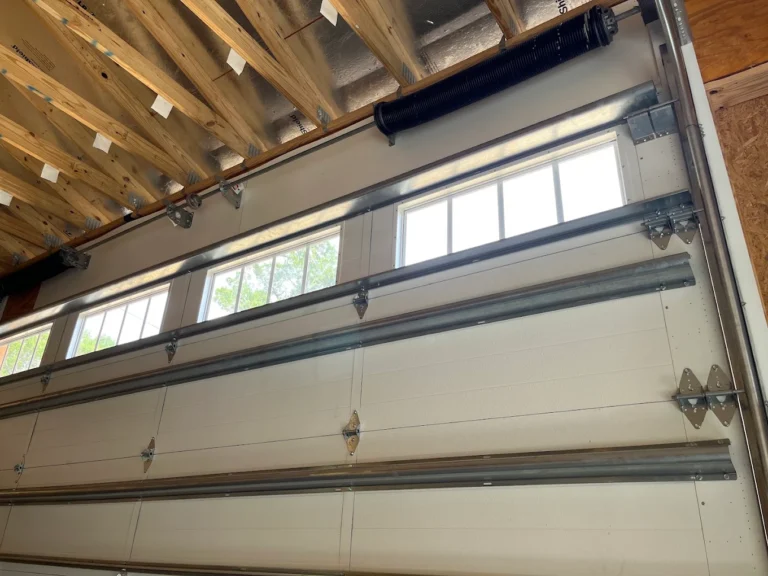
Garage door hinges join each horizontal panel to the next and act as the pivot points that let the door bend as it rolls from vertical to horizontal along the track. Every time the door opens or closes, the hinges flex at the pin and knuckle, absorbing constant movement and helping distribute the door’s weight. Many hinges also hold the roller stems that guide the door in the track, giving them a dual structural and guiding role. Because they work on every cycle, hinges are among the hardest-working small parts on your door and a common source of noise and misalignment when they wear.
- Connect the panels: Hinges link each section so the door moves as one unit.
- Allow the bend: They flex at the pin to let the door curve along the track.
- Hold rollers: Many hinges also carry the roller stems that guide the door.
How the Hinge Numbering System Works
Garage door hinges are stamped with numbers, commonly #1 through #4 or higher, that indicate exactly where each hinge belongs on the door rather than its size or strength. A #1 hinge sits between the bottom and second panels with a flat, non-offset design, while higher numbers add progressively more offset to match the tightening curve of the track higher up the door. Center hinges on each section are typically #1 hinges, and the offset end hinges increase in number as you move up. Matching the stamped number to its correct position is essential, because using the wrong number causes binding, uneven movement, and premature wear.
- Position, not size: The number tells you where the hinge belongs on the door.
- Increasing offset: Higher numbers add offset to fit the track’s tighter curve.
- Match the stamp: Using the wrong number causes binding and early wear.
4 Types of Garage Door Hinges
Not all garage door hinges are the same, and choosing the right type depends on your door’s weight, material, and how often it is used. Below are the four main types, what sets each apart, and the doors they are built for.
1. Standard Residential Hinges
Standard residential hinges are the most common type, used on the typical steel sectional doors found on most homes. These are usually made of galvanized steel in 18-gauge or 16-gauge thickness, offering a good balance of strength and corrosion resistance for everyday household use. They come numbered by position, from #1 up through #4 or #5 on taller doors, so each one sits in its correct spot along the panels. For a standard two-car steel door that opens a few times a day, this type provides reliable, long-lasting performance at a modest cost.
- Everyday use: Built for standard residential steel sectional doors.
- Common gauges: Typically 18-gauge or 16-gauge galvanized steel.
- Numbered by position: Available in the full range of position numbers for proper fit.
2. Heavy-Duty Hinges
Heavy-duty hinges are thicker, reinforced hinges designed for larger, heavier, or high-use doors that put more stress on the hardware. Made in a stronger 14-gauge steel and often a wider body, they resist bending and wear far better than standard residential hinges under demanding conditions. These are the right choice for oversized doors, insulated doors, or garages where the door cycles many times a day and needs extra durability. Upgrading to heavy-duty hinges can extend hardware life and reduce the strain that leads to sagging and misalignment on a hard-working door.
- Extra strength: Thicker 14-gauge steel resists bending under heavy loads.
- Best for: Oversized, insulated, or high-cycle doors that stress standard hinges.
- Longer life: Added durability reduces sagging and premature wear.
3. Commercial-Grade Hinges
Commercial-grade hinges are the heaviest residential-style hinges available, built to handle the weight and constant use of commercial and industrial doors. These are always wide-body and made of thick 11-gauge steel, giving them maximum strength and durability for the most demanding conditions. They typically have a dull steel finish rather than the shiny zinc coating of residential hinges, reflecting their industrial purpose. While most homes do not need this grade, they are worth considering for very large or heavily insulated wood carriage doors that carry significant weight.
- Maximum strength: Thick 11-gauge wide-body steel for the heaviest doors.
- Built for volume: Designed for commercial and industrial high-use applications.
- Home use: Occasionally chosen for very heavy or insulated carriage doors.
4. Full-Vision and Specialty Hinges
Full-vision and specialty hinges are smaller or custom hinges made for doors with unusual construction, such as full-view glass doors or vintage models. Full-vision hinges, sometimes called half hinges, are about half the size of standard hinges because the glass-panel sections have narrow stiles with less room to mount hardware. Specialty hinges cover older, manually operated, or custom doors that may need unique shapes, mounting points, or special-order parts. Because these hinges are less common and often application-specific, matching them correctly usually calls for a professional or a direct order from the manufacturer.
- Full-vision hinges: Half-size hinges made for glass-panel full-view doors.
- Specialty designs: Custom shapes for vintage, manual, or unusual doors.
- Expert match: Less common types often need professional identification.
When Your Garage Door Hinges Need Swapping
Garage door hinges wear out over years of movement, weather, and load, and catching the warning signs early prevents a small fix from becoming a costly one. Watch for these indicators that a hinge has reached the end of its life.
The Warning Signs of a Failing Hinge
The most common signs of a failing hinge include squeaking or grinding noises, visible cracks or rust, uneven gaps between panels, and a door that catches or hesitates as it moves. A cracked, bent, or heavily corroded hinge can no longer hold panels in proper alignment, which causes the door to sag, stick, or bind along the track. Loose or backed-out screws and bent roller carriers are also telltale signs that a hinge is worn or damaged. Hinges are not incidental hardware but load-bearing components: under ANSI/DASMA 102, the national standard specification for garage doors, door sections and their reinforcement hinges and roller assemblies must be designed to support the door’s own weight in the horizontal position and deflect no more than 1/120th of the door width. When a hinge fails, it can no longer do that job, so addressing the problem promptly protects the rest of your door system.
- Noise: Squeaking or grinding signals friction from a worn hinge pin or knuckle.
- Visible damage: Cracks, rust, or bending mean the hinge can no longer hold alignment.
- Movement issues: Uneven panel gaps or a door that catches point to hinge failure.
Why Correct Replacement Matters
Replacing a hinge correctly matters because using the wrong number, gauge, or type can cause binding, misalignment, and strain that damages other hardware. A single failing hinge shifts load onto its neighbors, so a proper repair matches the exact hinge number and thickness to keep the panels aligned and the door moving smoothly. Technicians typically replace one hinge at a time to preserve alignment and inspect the surrounding rollers and tracks for related wear. While a skilled homeowner can swap a simple hinge, the door is heavy and missteps can cause misalignment or injury, so professional replacement is often the safer, more reliable choice.
- Match exactly: The correct number and gauge prevent binding and uneven movement.
- One at a time: Replacing hinges individually keeps the door aligned.
- Safety first: A heavy door makes professional replacement the safer option.

Frequently Asked Questions
How Much Do Garage Door Hinges Cost To Replace?
Garage door hinges typically cost about $20 to $40 per hinge for the part, plus labor if you hire a professional. The total depends on how many hinges need replacing and whether related parts like rollers also need attention. A professional can give you an exact quote after inspecting the door.
How Do I Know Which Hinge Number I Need?
Check the number stamped directly on your existing hinge and replace it with the same number. If the number has worn off, count the panel position from the bottom up, since #1 hinges sit at the bottom and numbers increase as you move higher. Matching the number keeps your door aligned and moving smoothly.
Are All Garage Door Hinges the Same?
No, hinges differ by number, gauge, and type, and using the wrong one can cause binding and uneven movement. Numbers indicate position, gauges indicate thickness, and types range from standard residential to heavy-duty and commercial. Always match the exact hinge to your door’s specifications.
Can I Replace a Garage Door Hinge Myself?
A skilled do-it-yourselfer can replace a simple hinge, but it is not always advisable. The door is heavy, and incorrect steps can cause misalignment or injury. Replacing one hinge at a time helps, but professional replacement is safer and more reliable, especially if multiple hinges are involved.
How Long Do Garage Door Hinges Last?
Garage door hinges can last many years, but their lifespan depends on how often the door is used, the climate, and maintenance. Frequent use and lack of lubrication wear them out faster. Lubricating the hinge pins periodically and inspecting for rust or cracks helps them last longer.
What Happens if I Ignore a Worn Hinge?
Ignoring a worn hinge lets a small problem cascade into a larger, more expensive one. A single failing hinge shifts stress onto adjacent hinges, rollers, tracks, and even the opener, which can misalign panels and cause further damage. Replacing a worn hinge early protects the rest of your door system.
Trust Cedar Park Overhead Doors for Your Garage Door Hinges

When your garage door hinges are squeaking, cracked, or throwing your panels out of alignment, Cedar Park Overhead Doors is the local team homeowners rely on to make the fix right. Our trained technicians identify the exact hinge number, gauge, and type your door needs, replace them safely without disturbing the door’s alignment, and inspect the surrounding rollers and tracks for related wear. As a Clopay Master Authorized Dealer, we service doors and openers from Raynor, Martin, Haas, Amarr, and Wayne Dalton, and we back our work with solid warranties and flexible financing. Because a small hinge problem can quickly strain the rest of your door, we also offer 24/7 emergency garage door repair when you need it. If your door is sagging, sticking, or making new noises, reach out to Cedar Park Overhead Doors today for a free, no-obligation quote on your garage door hinges.